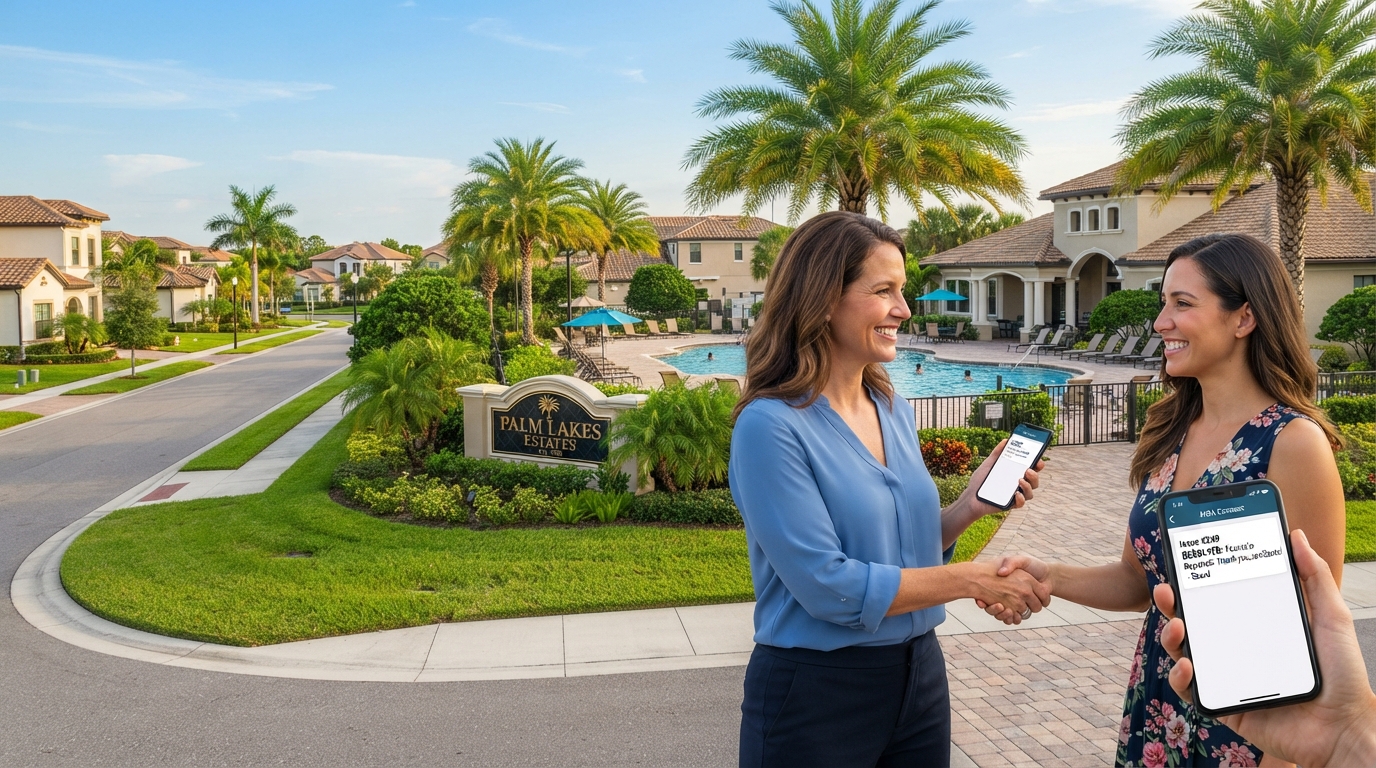
Navigating the Neighborhood: Common HOA Management Complaints and How to Fix Them
Table of Contents
Quick Summary: Powerhouse Executives helps community associations in Parrish, Bradenton, Sarasota, and across Manatee County resolve common HOA management complaints. This guide breaks down the top homeowner grievances-from inconsistent rule enforcement to financial opacity-and provides practical, technology-driven solutions to improve board communication, transparency, and community harmony.
Living in a Homeowners Association (HOA) community in Florida comes with a lot of perks-like beautifully maintained common areas, neighborhood amenities, and stabilized property values. However, it's no secret that the relationship between residents and HOA management can sometimes get a little bumpy.
When friction arises, it usually boils down to a few predictable pain points. The good news? Most of these issues can be resolved with a mix of structural transparency, modern technology, and proactive communication. Whether your community is in Lakewood Ranch, Parrish, or Ellenton, understanding these common complaints-and how to fix them-can transform your board from a source of frustration into a trusted partner.
Here is a breakdown of the top complaints homeowners have about HOA management, along with practical solutions to turn community conflict into cooperation.
1. Inconsistent Rule Enforcement and "Micromanagement"
The Complaint: Residents often feel that rules are selectively enforced-that a board member's friend gets away with an unapproved mailbox color, while another neighbor gets fined instantly. Other times, homeowners feel suffocated by hyper-specific aesthetic regulations, like exactly how many days holiday decorations can stay up.
In Florida, selective enforcement isn't just a community relations problem-it's a legal liability. Under Florida Statute 720, HOA boards have a fiduciary duty to enforce covenants uniformly. When enforcement appears arbitrary, it opens the door to legal challenges and undermines the board's authority.
The Solution:
- Adopt Objective Standard Operating Procedures (SOPs): Management should establish a rigid, step-by-step enforcement process (e.g., automated courtesy reminder → official warning → hearing → fine). This eliminates human bias and ensures every resident is treated identically.
- Audit the Rules Regularly: Times change. The board should review bylaws every few years to retire outdated, overly restrictive, or unenforceable rules that serve no real purpose other than to frustrate residents.
- Leverage Technology for Consistency: Modern HOA management software can automate violation tracking, ensuring that no violation is overlooked and no resident receives preferential treatment. AI-assisted tools can even help parse inspection photos and flag potential covenant conflicts consistently.
2. Poor Communication and Lack of Responsiveness
The Complaint: A homeowner submits an Architectural Review Committee (ARC) request to repaint their house or asks a question about their account, only to face weeks of radio silence. Unreturned emails and unhelpful phone calls are among the highest drivers of resident dissatisfaction.
For volunteer boards, this is often a capacity issue-not a malicious one. Board members have jobs and families. But to the homeowner waiting three weeks for an answer on their fence approval, the silence feels like indifference.
The Solution:
- Implement a Centralized HOA Software Portal: Move away from relying solely on direct emails. Portals like TownSq, PayHOA, or AppFolio allow residents to submit tickets, track ARC requests in real time, and view historical communication.
- Set Enforceable Service Level Agreements (SLAs): Whether handled by a hired management company or a self-managed board, establish clear timelines (e.g., "all emails acknowledged within 48 business hours"). Publish these SLAs so residents know exactly what to expect.
- Build a Community Brain: One of the most innovative solutions is creating an AI-powered knowledge repository-what we call the Community Brain. By loading governing documents, meeting minutes, and past ARC decisions into a searchable system, board members and managers can answer homeowner questions in seconds rather than spending hours digging through filing cabinets.
3. Financial Opacity and Rising Dues
The Complaint: Dues increase year after year, or a sudden, massive "special assessment" fee is leveled against every household without warning. When residents ask where the money is going, they are met with confusing financial statements or a complete lack of transparency.
This is a particularly sensitive issue in Florida, where rising insurance premiums and reserve funding requirements under Chapter 720 and Chapter 718 have forced many associations to increase assessments significantly. If the board hasn't communicated the "why" behind the numbers, homeowners assume the worst.
The Solution:
- Host Interactive Budget Workshops: Don't just mail a confusing spreadsheet once a year. Hold an open session where the board explains the rising costs of vendors, insurance, and utilities, showing exactly why an increase is necessary.
- Commit to Independent Reserve Studies: A professional reserve study should be conducted every 3 to 5 years. This maps out long-term infrastructure lifespans (roofs, paving, pools) so the community can save gradually, completely eliminating the need for surprise special assessments.
- Use Plain-Language Financial Reporting: Replace dense accounting jargon with visual dashboards and plain-language summaries. When homeowners can see at a glance that 40% of their dues go to insurance and 25% to reserve funding, the opacity disappears.
4. Delayed Maintenance and Subpar Vendor Quality
The Complaint: The community pool stays green for weeks, potholes go unfilled, or the hired landscaping crew does a sloppy job. Residents rightfully argue, "If my dues go up every year, why does the neighborhood look worse?"
Deferred maintenance is often a symptom of either an underfunded budget or a board that lacks the vendor management expertise to hold contractors accountable. Neither is acceptable to a homeowner paying $200+ a month in dues.
The Solution:
- Revamp the Request System & Vendor Accountability: Use the community portal to let residents upload photos of maintenance issues. Link these tickets directly to vendor contracts with strict performance metrics.
- Establish Transparent Competitive Bidding: Share the request for proposal (RFP) process with the community. When homeowners see that the board vetted multiple vendors to find the best balance of cost and quality, it builds immense trust.
- Consider Professional Management: For self-managed associations struggling with vendor oversight, partnering with a professional Community Association Management firm or utilizing Fractional Operations support can provide the vendor management infrastructure that volunteer boards simply cannot maintain.
5. Board Burnout and Lack of Continuity
The Complaint: A less obvious but deeply impactful issue is board burnout. When the same three volunteers have been running the HOA for a decade, they become exhausted, decisions stall, and institutional knowledge becomes trapped in one person's head. New board members feel unwelcome or unsupported.
The Solution:
- Standardize Onboarding: Create a formal onboarding packet for new directors that includes governing documents, financial summaries, and a walkthrough of current projects. Our Customized Board Member Certification program is specifically designed to accelerate this process.
- Document Everything: Transition from tribal knowledge to documented SOPs. If the long-time treasurer leaves, the new treasurer should have a clear manual on how to do the job.
- Embrace Interim Support: When a key board member or community manager steps down, associations can leverage Interim Management Services to ensure operations don't skip a beat during the transition.
Summary: A Shared Responsibility
At the end of the day, an HOA functions best when it operates like a collaborative community rather than an opaque governing body. By prioritizing clear digital channels, objective rules, and financial transparency, HOA boards and management companies can shift the narrative from a source of daily complaints to a valuable partner in protecting everyone's peace and property value.
For communities across Manatee and Sarasota counties, the path forward is clear: invest in the systems, training, and professional support that make good governance repeatable. If your board is ready to move from reactive complaint management to proactive community leadership, schedule a consultation with Powerhouse Executives today.
Frequently Asked Questions
What is the most common HOA management complaint? The most common complaint is inconsistent rule enforcement, where residents feel rules are applied selectively. This can be resolved by adopting objective standard operating procedures and using HOA management software to automate and track violations uniformly.
How can an HOA improve communication with residents? HOAs can improve communication by implementing a centralized software portal where residents can submit tickets, track ARC requests, and view historical communication. Setting enforceable service level agreements for response times also builds trust.
Why do HOA dues keep increasing in Florida? Florida HOA dues are rising primarily due to escalating insurance premiums, increased vendor costs, and stricter reserve funding requirements under Chapter 720 and Chapter 718. Transparent budget workshops and plain-language financial reporting help residents understand these necessary increases.
How can an HOA avoid surprise special assessments? A community can avoid surprise special assessments by commissioning an independent reserve study every 3 to 5 years. This maps out long-term infrastructure costs so the board can save gradually and fund repairs predictably through regular dues.
What should a new HOA board member do first? New board members should review the governing documents, complete a state-approved board certification course, and request a formal onboarding packet. Powerhouse Executives offers customized board training that satisfies Florida DBPR requirements while addressing the specific needs of your community.

Powerhouse Executives
Community Management Experts
Powerhouse Executives is a premier community association management company serving Manatee and Sarasota counties. We specialize in providing expert consulting, board and member support, training, and CAM management to help communities thrive.
Related Articles
The Ultimate Guide to Professional Community Association Management in Florida
Discover how professional community association management can transform your Florida HOA or condo association, improve property values, and ensure legal compliance.

Resolving Community Conflicts Before They Escalate
Mediation strategies and communication techniques to maintain a harmonious environment in your neighborhood.
Changing HOA Management Companies? A Guide to Interim CAM & Transition Management in Florida
Changing HOA or condo management companies in Florida? Learn how interim CAM and transition management can protect records, operations, vendors, finances, and your board.
Read Next
